Silence Above 2,000 Meters: The High Architecture of the Dolomites
Climbing beyond the tree line to discover how raw limestone and charred larch forge a sanctuary for contemplation.
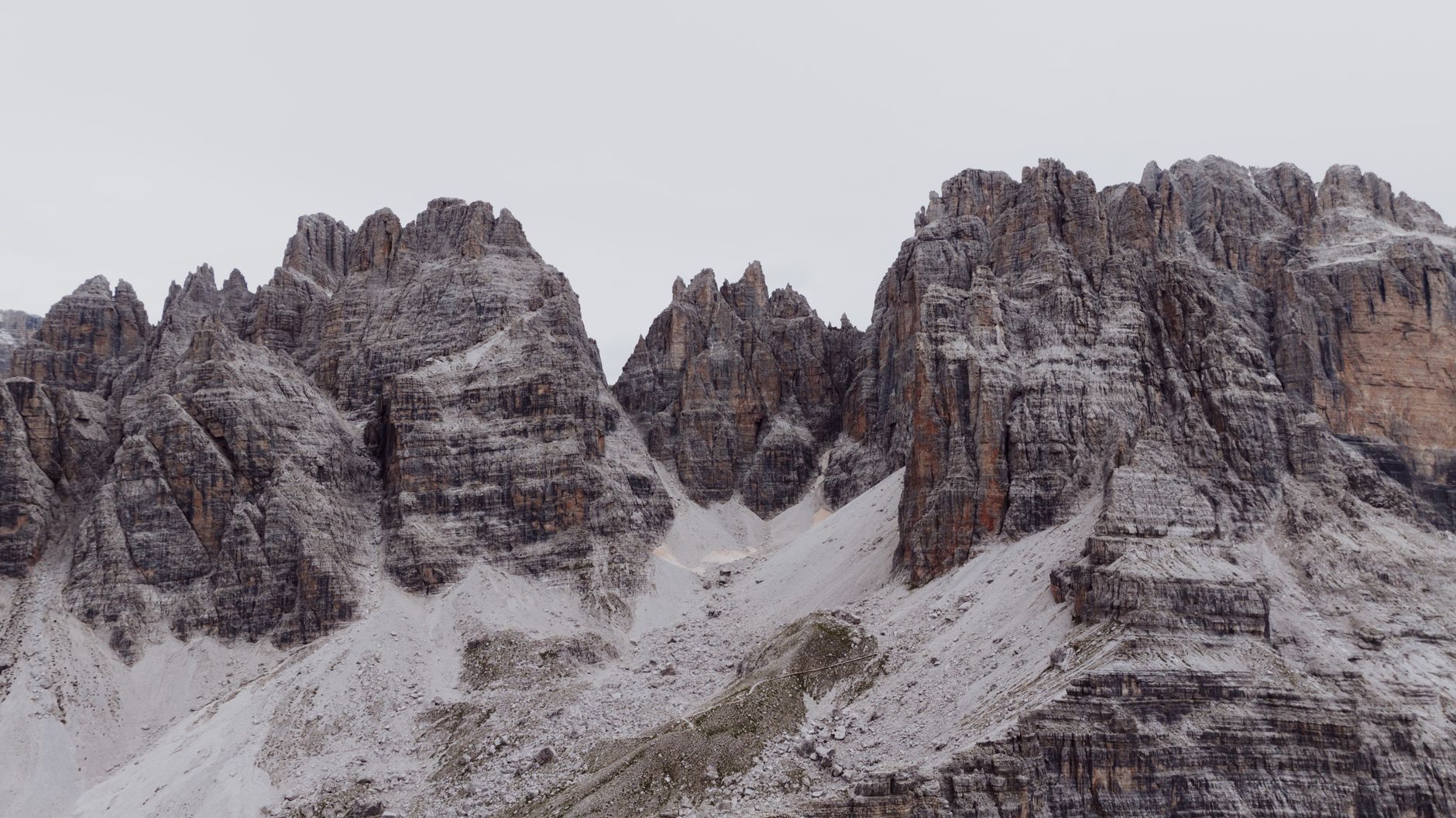
The Pale Mountains of northern Italy rise like petrified cathedral spires out of emerald meadows. While winter draws crowds to groomed pistes, early autumn delivers a stillness so sharp you can hear the wings of alpine choughs banking against sheer rock faces.
Modernist Vernacular in South Tyrol
Over the past decade, a generation of South Tyrolean architects has reimagined the mountain shelter. Foregoing rustic pastiche, new refugios utilize blackened local spruce, floor-to-ceiling glass that frames the jagged peaks of the Rosengarten, and geothermal heating systems fed by mountain springs.
“When architecture confronts mountain geology, humility is the only sustainable aesthetic.”
Solitude as an Architectural Element
At high altitudes, light shifts radically. Morning brings cold rose-tinted granite; midday reflects blinding white, while the evening enrosadira stains the rock faces deep terracotta and violet. Sitting in a glass-walled sauna suspended over a glacial drop, the mind sheds metropolitan static.
For those preparing an expedition, prioritize high trails away from vehicular access. The true soul of the Dolomites resides only where footpaths terminate at mountain passes untouched by ski lifts.