In Search of Sabi: A Month in Kyoto's Hidden Temple Quarters
The art of finding luxury in weathered cypress, morning humidity, and intentional silence.
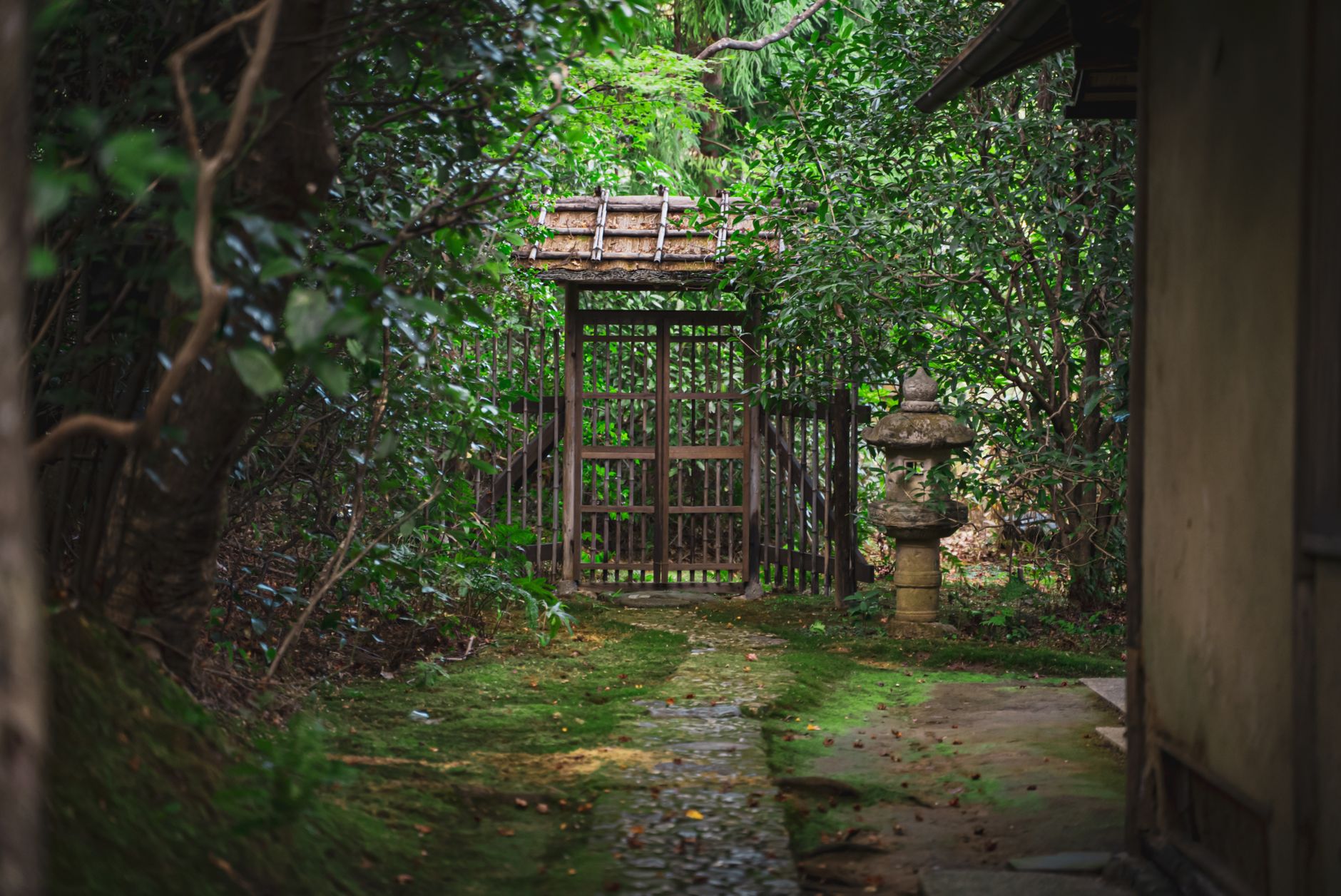
In Kyoto, the concept of luxury is inverted. Where western capitals often celebrate high polish and gold leaf, the historic capital of Japan prizes the beauty of gentle decay: timber darkened by rain, stone softened by century-old moss, and paper screens that diffuse sunlight into charcoal shadows.
The Living Anatomy of the Machiya
Renting an authentic merchant townhouse (machiya) in the western alleys of Kamigyo-ku reveals a rhythm completely removed from the tourist thoroughfares of Gion. Behind narrow cedar facades lies the tsuboniwa—a tiny interior courtyard garden no larger than two tatami mats. It functions as the home’s breathing lung, capturing descending rainfall and offering an unobstructed view of the moon.
“True elegance does not demand attention; it exists quietly waiting for those with the patience to listen.”
Morning Tea and the Ceramic Hand
Our days began at 6:00 AM within the sub-temples of Daitoku-ji. Here, tea is whisked not as a performance, but as a deliberate grounding exercise. The tea bowls themselves, crafted from rough Raku clay, possess irregularities that fit the palm intimately. Every chip and glaze drip represents an unbroken lineage of master kilns operating since the Azuchi-Momoyama era.
When traveling here, slow down your pace. Walk through residential districts when school bells chime; purchase roasted green tea from neighborhood merchants whose families have occupied the same wooden counter for six generations.