Oaxaca: The Sacred Smoke of Ancestral Culinary Artisans
Tracing heirloom corn, underground agave roasting pits, and culinary matriarchy in the Central Valleys.
In the high altitude valley of Oaxaca, cooking is not an industry—it is a spiritual covenant with the earth. Here, the aroma of copal resin mingles with roasted pasilla chiles and smoldering oak wood, marking the entrance into culinary heritage spanning millennia.
The Geometry of the Comal
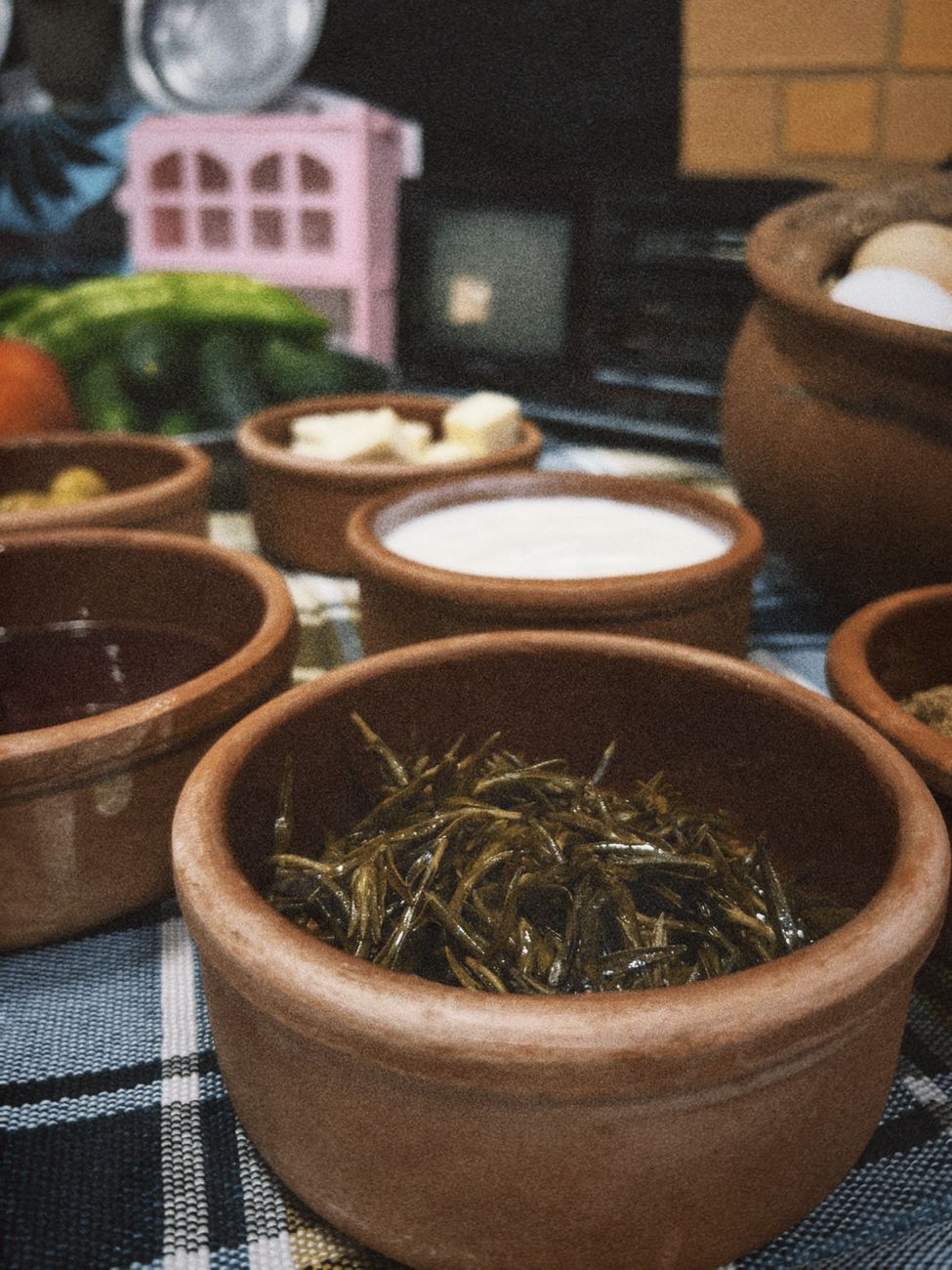
In the village of San Marcos Tlapazola, Zapotec women shape clay cookware by hand without the use of a potter’s wheel. The resulting red earthenware comal heats tortillas over raw wood embers with exceptional uniformity. The corn used is not industrial feed, but native criollo varieties—purple, red, and golden yellow—harvested from terrace plots carved into the mountainside.
“A dish that takes four days to prepare teaches the traveler how to respect the velocity of nature.”
Mezcal and Agave Terroir
Beyond the vibrant city markets, we traversed dirt roads to visit small palenques in Matatlán. Wild espadín and tobalá agaves, harvested after twelve to fifteen years of maturity, are roasted in conical earthen pits lined with river stones. When distilled through copper or clay stills, the resulting liquid is an honest expression of sun, soil, and rainwater.
Experiencing Oaxaca requires surrendering to slow time. The deepest pleasures lie in neighborhood fondas, drinking bitter cacao froth, and honoring the hands that preserve ancient knowledge.